Watching the wildlife around us is a fantastic way to relax and a rewarding and enjoyable way to appreciate the natural world. Whether you are new to the game or an experienced enthusiast or hobbyist, there are a few things that you can buy that will give you an advantage when trying to find and record the varied species that inhabit our planet.
Although having every single piece of equipment or latest technology probably isn’t necessary, there are several items that are essential if you want to gain the best experience from watching nature, especially the rarer or nocturnal wildlife! So, in this blog post, we’ll discuss some of the best equipment for nature watching, including binoculars, nature cameras, thermal imagers, and spotting scopes.
Nature Cameras
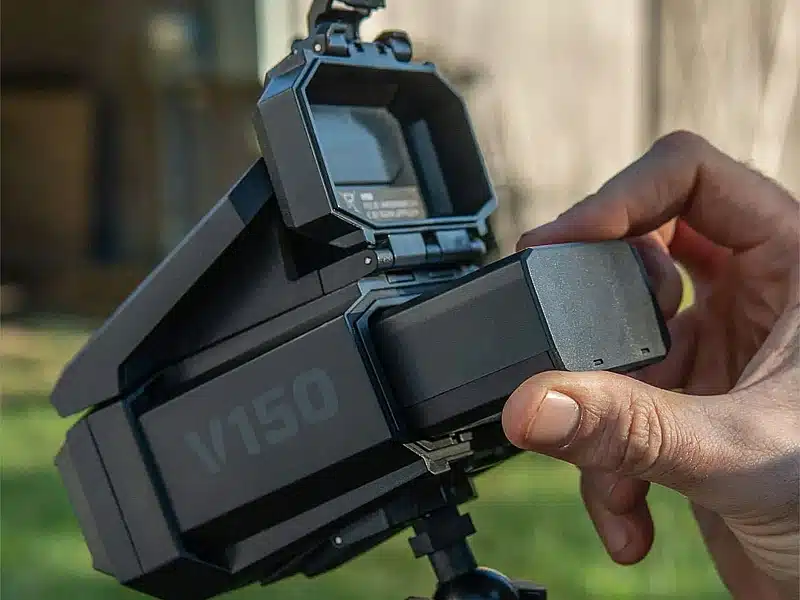
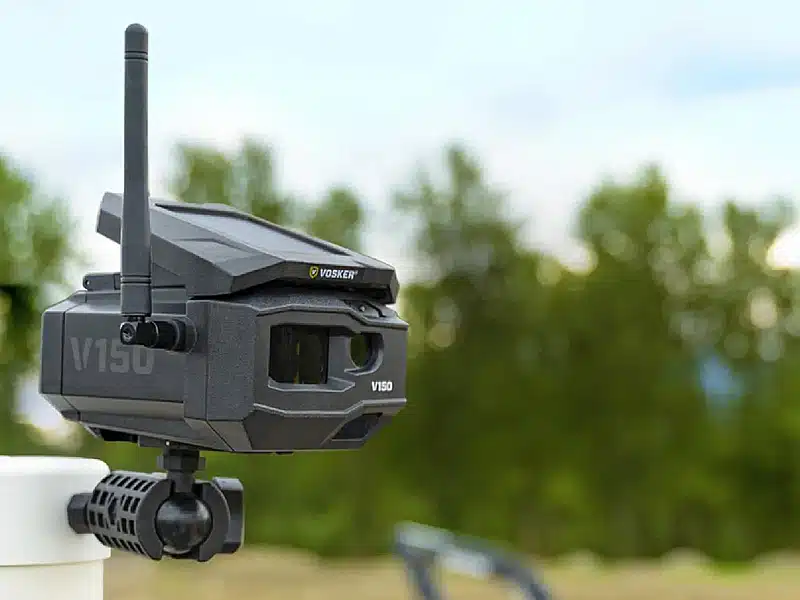
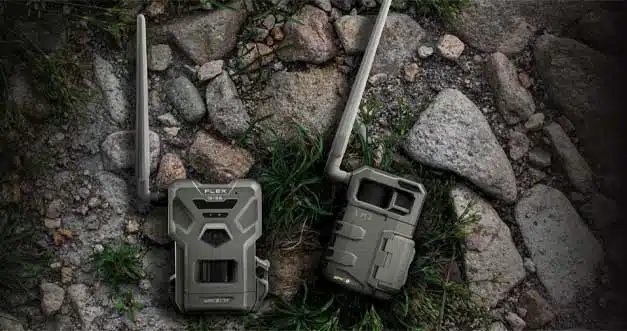
Nature cameras, also known as trail cameras, are a wonderful way to capture wildlife without disturbing it. These cameras are placed in strategic locations and set to take pictures or video whenever they detect motion. Although they are commonly used by wildlife researchers to monitor and observe wildlife without disturbing their natural behaviour, they’ve become far more popular recently with anyone interested in nature watching and that has made them more readily available and at great prices too!
Nature cameras come in a variety of styles and sizes, and the best one for you will depend on your specific needs. Look for a camera with a fast trigger speed, a long battery life, and a high-quality image sensor. Some are even available with live viewing on your phone! If you mostly plan to set one up for night viewing, you will be glad to know that nature cameras all have invisible (infra-red) flash. We stock top brands – HikMicro, Spypoint and Vosker and if you’re having trouble deciding what would work best for you, we are happy to provide expert advice!
Some top tips for using nature cameras:
- Choose the right location: When placing your nature camera, choose a location that is frequented by wildlife. This could be near fresh water, a nest or trail, or a food source.
- Use the right settings: Make sure to set your camera to the appropriate settings for the environment you’re in: a time scheduler, interval timer, distance and quality sensitivity. With some cameras this can be done remotely on a phone app.
- Some camera settings will mean that the batteries may go flat in a few days, so check the camera after a short time to see if you have the settings right for you. Grovers Optics have rechargeable battery options and solar panels that make powering much better value. Solar powered cameras that send video or images to your phone can be left and active for months.
- Respect wildlife: When using a nature camera, it is important to respect the wildlife you’re observing. Make sure to follow all local laws and regulations regarding wildlife photography and avoid disturbing the animals.
Vosker V300 LTE Solar Cellular Camera

Price: from £449.00 – view more information
Vosker V300 Lithium Rechargeable Battery
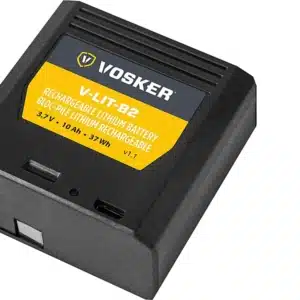
Price: from £69.95 – view more information
Binoculars
Binoculars are a must-have for any nature watcher or birder. They allow you to get up close and personal with the wildlife around you without disturbing it. The best binoculars for nature watching and birdwatching are lightweight, waterproof, and have a moderate magnification power. The magnification power should be high enough to give you a clear view of distant wildlife, but not so high that it makes the image shaky.
Key factors to consider when purchasing binoculars:
- Magnification: The specification of binoculars is denoted by two numbers (e.g., 8×42). The first number represents the magnification, while the second number represents the diameter of the objective lenses in millimetres. For nature watching, a magnification of 8x or 10x is generally recommended.
- Objective lens size: The size of the objective lenses determines how much light the binoculars can gather, which affects the colour, brightness and clarity of the image. For nature watching, we would recommend an objective lens size of 42mm.
- Field of view: The field of view is the width of the area that you can see through the binoculars at a given distance. A wider field of view (FOV.) makes it easier to find and track moving creatures. The larger binoculars have a great FOV. Eg. 8×42 is a greater FOV than a 8×32 or 8×25.
- Durability: Nature watching often involves hiking and other outdoor activities, so it’s important to choose binoculars that are durable and can withstand the elements. Look for binoculars from a manufacturer with at least a 5 year warranty and that include “collimation” in the guarantee. Collimation is a frequent issue with poor binoculars and when a prism becomes loose leaving your binoculars with double-vision. These brands include Hawke, Opticron, Kowa and Swarovski-Optik.
- Comfort: Since you’ll be holding the binoculars up to your eyes for extended periods of time, it’s important to choose binoculars that are balanced and comfortable to use. Look for binoculars with adjustable eyecups and a comfortable grip.
Hawke Nature-Trek 8×25 Green Binoculars

Price: from £89.00 – view more information
Thermal Imagers
Thermal imagers are a relatively recent technology that can be incredibly useful for nature watching. They use thermal imaging to detect heat from everything, allowing you to see wildlife in their surroundings – even in complete darkness. Thermal imagers are especially useful for spotting nocturnal animals such as owls and bats. But as you are looking at differences in temperature, thermal imagers are useful to find camouflaged animals in broad daylight too. Look for a thermal imager with a high-resolution sensor. With the right thermal imager (TI), you can observe wildlife in a completely new way and gain a deeper understanding of their behaviour. Grovers Optics stock a great range of TI’s from the leading brands HikMicro and Pulsar, so take a look at what we have available to enhance your nature watching capabilities. Day and Night!
To see a range of our thermal imagers click here to see more
Spypoint Force-Dark Nature Camera

Price: from £149.00 – view more information
What to look for in thermal imagers for nature watching:
- Resolution: The resolution of a thermal imager refers to the number of pixels in the image. A higher resolution means that the image will be more detailed and easier to interpret. 320 is popular and 640 pixels wide is the best available. The differences in detectable temperature are described by the “NETD” and this figure is lower in the best TI’s
- Range: The range of a thermal imager refers to the distance at which it can detect heat. A longer range allows you to observe wildlife from a greater distance, though this means a narrower field of view and a TI that is less useful a closer distances! Like the 8×42 or 10×42 are the most popular binoculars – with a thermal imager a focal length of 15mm-35mm is most useful for birdwatching.
- Refresh rate: The refresh rate of a thermal imager refers to how quickly it updates the image. A higher refresh rate means that the image will be smoother and easier to follow, which is especially important when observing moving objects.
- Durability: Since nature watching often involves hiking and other outdoor activities, it’s important to choose a thermal imager that is durable and can withstand the elements. Expect a warranty of 2-3 years with a thermal imager.
- Price: Thermal imagers from us here at Grovers range in price from four hundred to several thousand pounds, so consider your budget and the features you need before making a purchase.
Spotting Scopes
Spotting scopes are essentially telescopes that are designed for nature watching. They allow you to see wildlife from a great distance and can be especially useful for birdwatching and a close-up view of animals and birds in their natural habitats, without disturbing them. Look for a spotting scope with a high magnification power, a large objective lens, and a durable design. We have a variety of spotting scopes available in-store for next-day delivery and from top brands including Opticron, Hawke, Viking, and Swarvoski-Optik. We also offer straight or angled view spotting scopes, so you can choose what works best for you.
When choosing a spotting scope for nature watching, there are a few key factors to consider:
- Magnification: Spotting scopes come with different levels of magnification, ranging from 13x to over 75x. Choose a magnification that suits your needs, keeping in mind that higher magnification can make it harder to keep the image steady. You will need a good tripod for anything but the smallest spotting scopes.
- Objective lens size: The size of the objective lens determines how much light the scope can gather, which affects the image quality and even colour. Larger objective lenses are better for low-light conditions and offer a brighter, clearer image.
- Field of view: The field of view refers to the area of the scene that is visible through the spotting scope. A wider field of view makes it easier to track moving objects and find wildlife.
- Eye relief: Eye relief refers to the distance between the eyepiece and your eye when the image is in focus. A longer eye relief is more comfortable for extended viewing sessions, especially for people who wear glasses. At Grovers Optics, we expect all good spotting scopes to be useable by both spectacle and non-spectacle wearers.
- Durability: Look for a spotting scope that is built to withstand the rigours of outdoor use, with a sturdy construction and a waterproof or weather-resistant design. It is normal for the warranty to be 10 years or longer.
Spypoint Flex Nature Camera
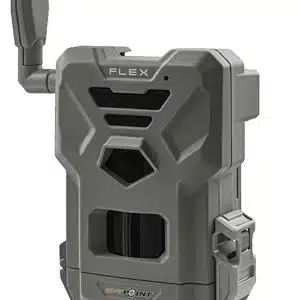
Price: from £239.00 – view more information
Nature watching can be a wonderful way to appreciate the natural world around us. With the right equipment, you can get an up-close view of the wildlife around you without disturbing it. Binoculars, nature cameras, thermal imagers, and spotting scopes are all essential tools for any nature watcher, and by investing in high-quality equipment, you can ensure that you have the best possible experience.
If you’re interested in any of the equipment mentioned above, please visit our website, pop into our store or email us on hello@grovers.biz for more information.
Address: 216-217 High Street, Northallerton, North Yorkshire, DL7 8LW